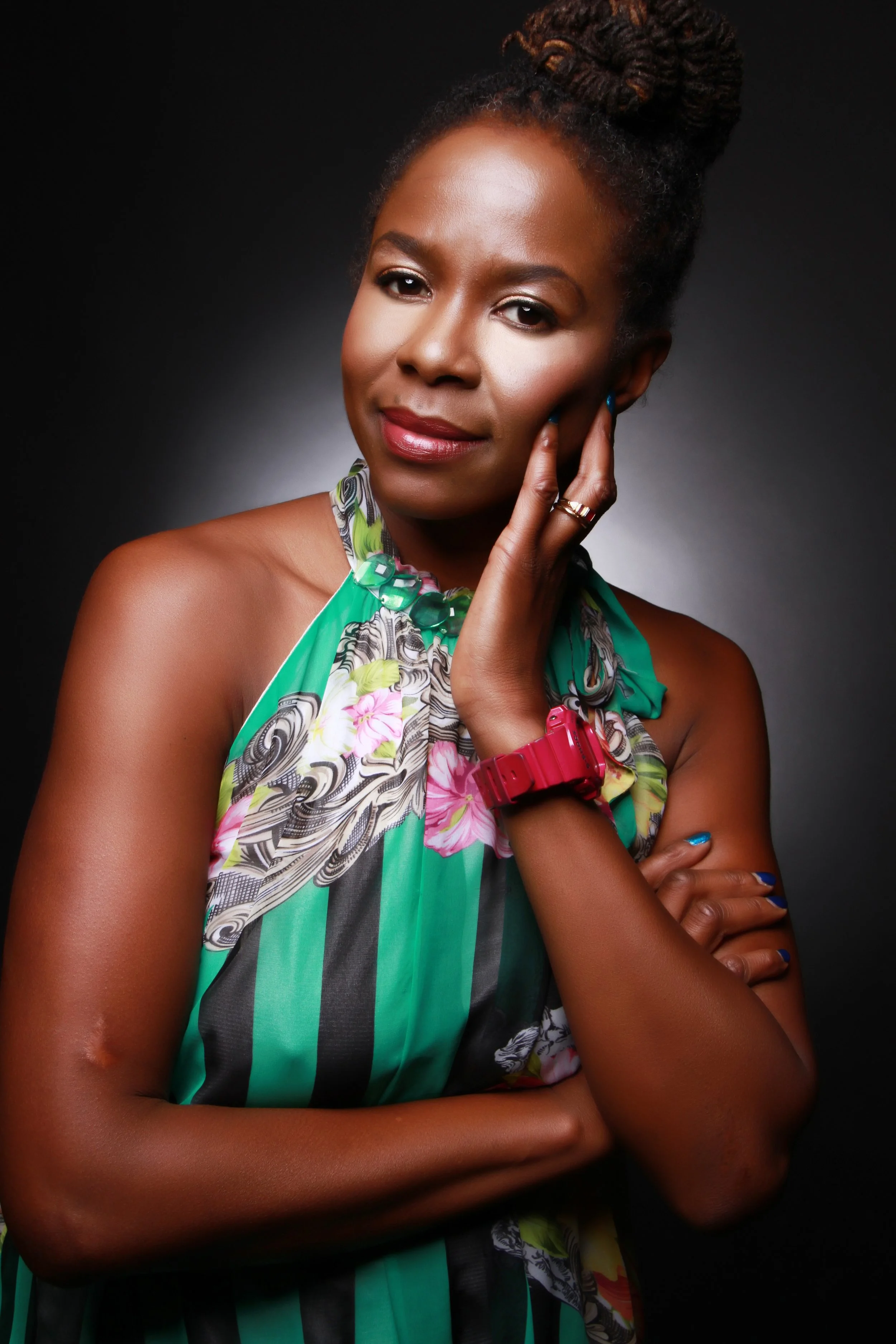
Narrative by Dianne Morris
Evidence‑based practice has become one of the most repeated phrases in modern healthcare. It appears in guidelines, policies, clinical conversations, and professional expectations. It is often presented as neutral, universal, and unquestionably authoritative. But when you sit with the word evidence—when you break it down, interrogate it, and hold it up against lived experience—its meaning becomes far less stable than we are led to believe.
Recently, I found myself returning to the dictionary. Evidence, I discovered, is described through words like sign, signal, mark, and—most strikingly—suggestion. That word stayed with me. Suggestion. Not certainty. Not law. Not an absolute truth. A suggestion.
And yet, in women’s health especially, evidence is often treated as if it carries the weight of legal authority. Pathways are presented as mandatory. Guidelines are treated as commandments. Deviation is framed as dangerous. And when a woman’s body does not respond in the way the evidence predicts, she is often blamed, doubted, or labelled “non‑compliant.”
This is not a neutral system. It is a system shaped by power.
When Evidence Doesn’t Fit the Body in Front of You
I think about my own experience with a chronic health condition. The evidence suggested that a particular medication would reduce my risk of relapse. But in reality, it produced side effects that were more disruptive than the condition itself. The evidence did not fit my body. And when I chose to stop the medication, the shock on my doctor’s face said everything about how tightly we cling to the idea that evidence is universal.
But how universal can evidence be when so much of it has never been tested on women? And even less on Black women?
This is where the cracks in the system become impossible to ignore.
Black Feminist Thought: The Body as Knowledge
Black feminist scholars have been naming these cracks for decades. Patricia Hill Collins writes about situated knowledge—the idea that Black women’s lived experiences are not only valid but essential forms of understanding. Audre Lorde reminds us that the body is a site of truth, especially when institutions refuse to listen. bell hooks exposes how dominant systems dismiss Black women’s voices, framing resistance as deviance rather than insight.
When I choose to observe my own body—to gather evidence from my lived experience—I am participating in a long tradition of Black feminist epistemology. I am refusing the idea that only institutional evidence counts. I am asserting that my body is a source of knowledge.
Decolonial Health: The Myth of Universal Evidence
Decolonial scholars like Linda Tuhiwai Smith and Frantz Fanon push this critique further. They show how Western medicine has been built on colonial assumptions—assumptions that universalise white, male, Western bodies as the norm. When clinical trials exclude women, Black women, Indigenous communities, and people with complex lives, the resulting evidence is not universal. It is partial. It is political. It is shaped by who is funded, who is studied, and who is ignored.
So when we ask, “Is this evidence applicable to the woman in front of me?” we are not being difficult. We are being responsible.
Cultural Safety: Who Gets to Define Safe Care?
Cultural safety, developed by Māori nurse Irihapeti Ramsden, shifts the conversation again. It tells us that safety is defined by the person receiving care—not the person delivering it. It asks us to examine power, judgment, and the subtle ways institutions discipline those who do not comply.
In women’s health, this plays out painfully. Gaslighting. Blame. Shame. Fear. The unspoken threat that if anything happens to the baby, the woman—and anyone who supported her choices—will be held responsible.
This is not cultural safety. This is coercion dressed up as care.
So What Do We Do With Evidence Now?
If evidence is a suggestion, not a decree, then our responsibility shifts. Evidence becomes something to interpret, not obey. Something to weigh alongside lived experience, cultural context, and embodied knowledge. Something to question, especially when it does not fit.
Black feminist thought teaches us that women—especially Black women—hold deep, embodied wisdom. Decolonial health reminds us that Western evidence is not neutral. Cultural safety demands that we honour the person in front of us, not the pathway behind us.
So the real question becomes:
How do we practise responsibly when the evidence and the woman do not align?
There is no single answer. But there is a starting point:
We listen.
We question.
We interpret.
We honour the body, not just the guideline.
And we remember that evidence is a suggestion—not a verdict.